Every successful build, remodel, or demolition in Missouri has one thing in common: a clean, organized job site. Efficient debris handling isn’t just about tidiness—it’s about safety, speed, and staying compliant with local rules. Choosing the right roll-off dumpster, planning for placement, and understanding materials and weight limits can dramatically cut downtime and prevent surprise costs. Whether tackling a St. Louis rehab, roofing in Kansas City, or new construction in Springfield, a thoughtful approach to waste management streamlines workflow and helps crews hit milestones without disruption.
Right-Size Your Roll-Off: Matching Dumpster Size and Type to the Job
Selecting the best dumpster for construction debris starts with the type and volume of materials you expect. Roll-off containers commonly come in 10, 15, 20, 30, and 40-yard sizes, and each one solves a different problem on site. Smaller 10–15 yard cans are ideal for dense, heavy loads—think concrete, brick, tile, or dirt—because weight builds quickly and these compact sizes reduce the risk of exceeding tonnage limits. They also fit easily in driveways or tight urban alleys, a frequent challenge in historic neighborhoods across St. Louis and Columbia. For medium-scale projects like kitchen and bath remodels, a 20-yard dumpster offers a sweet spot for mixed debris—drywall, cabinets, lumber, and flooring—without devoting too much site space.
Large jobs, including multi-room renovations, commercial build-outs, or full-house cleanouts, benefit from 30-yard containers, while 40-yard dumpsters are best for bulky, light materials like framing offcuts, packaging, and demo debris that isn’t overly heavy. On roofing projects across Kansas City or Jefferson City, size often correlates with shingle volume: many contractors favor 20 or 30 yards to handle tear-offs efficiently, but still watch weight; asphalt shingles are heavier than they look. When concrete removal is on the scope—such as replacing a Springfield driveway—dedicated loads of clean concrete in a 10- or 15-yard bin often qualify for better disposal rates and faster turnaround because they’re recyclable.
Right-sizing prevents costly overage and swap delays. Estimate debris by room or scope, and remember that bulky items create air gaps. Breaking down cabinets, stacking lumber, and distributing weight evenly help fit more into each haul. Ask about weight allowances included in base pricing and what happens if you exceed them; clarity on tonnage, extra days, and contamination fees keeps budgets predictable. Finally, consider site logistics: you’ll need level ground, clear overhead space free of tree limbs or wires, and safe truck access so drivers can place and retrieve the container without risking property damage or job interruptions.
Navigating Missouri Rules, Permits, and On-Site Logistics
Regulations in Missouri vary by city, but one principle holds statewide: a dumpster placed on public property typically requires a permit. In dense areas of St. Louis or downtown Kansas City, placing a container on the street, sidewalk, or public right-of-way usually triggers municipal approval and specific timeframes. In Springfield, Columbia, and Jefferson City, similar rules apply, though fees and application windows differ. Whenever possible, placing the bin on private property—like a driveway, job site lot, or staging area—simplifies compliance and speeds delivery. For homeowners, checking HOA guidelines ahead of placement avoids surprises about visibility, duration, or acceptable hours for drop-offs and pick-ups.
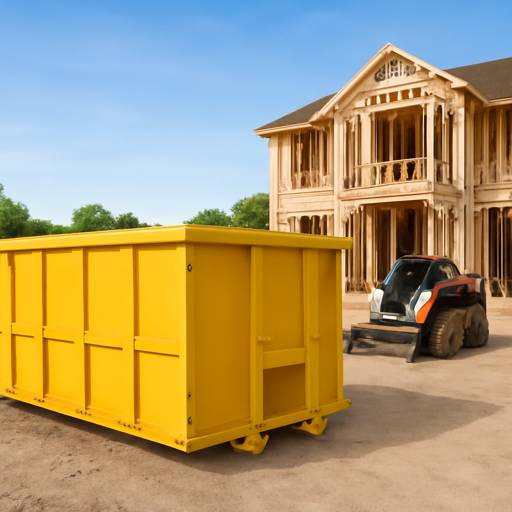
Beyond permits, plan for safe placement and efficient access. Protect paved surfaces with plywood if heavy loads are expected, especially for concrete and masonry debris. Ensure there’s at least 60–80 feet of straight, unobstructed approach for the delivery truck, and confirm clear height for both placement and door swing. For example, a Columbia remodel might safely place a 15-yard bin in the driveway, leaving garage access clear while skipping a permit entirely. Conversely, a commercial tenant improvement in downtown Kansas City may require a weekend delivery and a right-of-way permit to minimize traffic impact and meet building management requirements.
Know what’s allowed in the dumpster: most providers prohibit hazardous waste, chemicals, paint liquids, tires, batteries, medical waste, and appliances containing refrigerants unless properly documented. Mixed loads contaminated with banned materials can trigger costly re-sorts or rejected loads at disposal sites. When possible, dedicate containers for recyclable debris—clean concrete, asphalt, or metal—because they often move through different streams at a lower cost and with better environmental outcomes. Coordinating delivery windows with critical phases—like framing cleanups or post-demo sweeps—keeps the job moving and limits idle containers that rack up rental days. Missouri contractors and homeowners who want consistent guidance, fast swaps, and city-specific permitting help can explore construction dumpster rental tailored to regional rules and timelines.
Budgeting, Timing, and Best Practices to Maximize Value
Project budgets benefit from upfront clarity. Dumpster pricing typically includes a base rate, a set rental period, and an included tonnage. Additional fees can apply for extra weight per ton, extended days, contamination, or a “trip charge” if the driver can’t complete delivery or pickup due to blocked access. Getting a transparent quote with these variables outlined helps you compare options apples-to-apples. Estimating debris volume is equally critical. A rough rule: one cubic yard equals about a standard washing machine in volume. For roofing, consider shingle weight per “square” (100 square feet) to keep loads under the tonnage cap. For demolition, splitting phases—demo first, then finish debris—can improve packing efficiency and avoid maxing out height limits.
Time deliveries and exchanges with job milestones. A Springfield new-build might schedule a 20-yard drop for framing and siding offcuts, then plan a swap prior to drywall to keep the site clear, and a final pickup after finish stage cleanups. Staggering containers prevents overfilled bins, improves sorting (recyclables versus mixed debris), and reduces material handling. Crews save steps—and labor—when a dumpster is close to the mess: by the garage for residential projects, or near the primary egress for commercial interiors. Keep walk-in doors accessible for heavy items to load safely without lifting over the rim; then, once bulky debris is inside, stack lighter materials to fill voids. Never overfill above the fill line—haulers must tarp loads, and overflow can force partial offloads or a second trip.
On-site etiquette pays off. Post a simple sign listing allowed materials and a reminder not to toss liquids or hazardous items. Use cones or barricades to guard the container’s corners, especially on active streets, and lock or secure doors after hours on urban projects. In wet weather, place pallets or plywood to reduce mud tracking and protect subgrade. For heavy debris days, schedule morning swaps so crews work uninterrupted. Above all, communicate early about access issues, gate codes, or special timing requirements. With these best practices, roll-off dumpsters become more than a bin—they’re a workflow tool that minimizes rework, safeguards budgets, and keeps Missouri job sites compliant and clean from kickoff to punch list.

Rio filmmaker turned Zürich fintech copywriter. Diego explains NFT royalty contracts, alpine avalanche science, and samba percussion theory—all before his second espresso. He rescues retired ski lift chairs and converts them into reading swings.