Winter in Winter Garden brings a special blend of soft sunlight, historic charm, and leafy green backdrops that create memorable photography opportunities. Whether planning a family portrait, engagement session, commercial shoot, or real estate listing, understanding the local light, locations, and seasonal nuances will elevate the final images. This guide explores why Winter Garden is a unique canvas for photographers and offers practical tips for achieving stunning results that reflect the town’s personality.
Why Winter in Winter Garden Is Unique for Photography
Winter in Winter Garden isn’t the freezing season of northern climates—rather, it’s a period of milder temperatures, clearer skies, and beautiful golden light that photographers prize. The sun sits lower in the sky compared to summer months, producing longer, warmer golden hours in the early morning and late afternoon. This soft, directional light flatters faces, enhances textures in historic brick façades, and creates dramatic backlit rim light for portraits along Plant Street and the West Orange Trail.
Atmospheric clarity during winter often means more vibrant sunsets over Lake Apopka and less haze for long-distance landscape shots. The reduced humidity makes it easier to keep lenses crisp and to work with reflectors and off-camera flashes without worrying about errant moisture. At the same time, cooler breezes can create pleasing motion in hair and dresses—useful for fashion or engagement sessions—while foliage remains pleasantly green, providing consistent backgrounds year-round.
Technical choices should reflect these conditions: polarizing filters deepen blue skies and reduce glare on water, while reflectors help balance shadows without heavy artificial light. A fast prime lens (50mm or 85mm) paired with a mid-range zoom provides flexibility between intimate portraits and environmental shots. For commercial work, consider shooting just before or after golden hour to capture rich tones in both interior and exterior scenes. Embracing the town’s architectural details—brick walkways, vintage storefronts, and leafy park benches—adds local character that makes images unmistakably Winter Garden.
Portraits, Engagements, and Family Sessions: Best Practices and Locations
Winter Garden offers a variety of backdrops that suit portraits, engagements, and family photography. Iconic locations like Plant Street Market, Founder’s Square, Winter Garden Heritage Museum, and the West Orange Trail provide diversity—urban charm, shaded paths, manicured lawns, and waterside views—all within a short distance of each other. Choosing a location depends on the story the session should tell: a relaxed family picnic on Tanner Park requires different staging than a formal engagement shoot in downtown’s historic district.
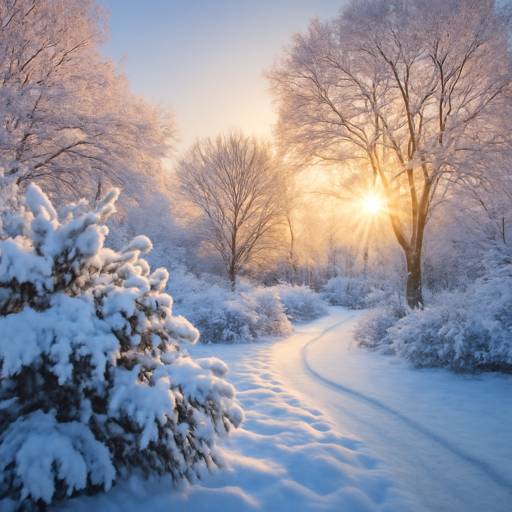
Timing is crucial: schedule sessions during the golden hour for warm skin tones and soft shadows, or opt for overcast afternoons when color consistency and even lighting benefit groups and small children. For toddler sessions, plan around nap and meal times and keep sessions short and playful. Introduce simple props—blankets, bicycles, or balloons—to encourage natural movement and authentic expressions. For couples, recommend clothing with complementary colors and layers to provide texture without clashing with local architecture or foliage.
Lighting strategies include using a reflector to fill shadows on faces and an off-camera flash with a softbox when shooting backlit scenes in front of the lake or under tree canopies. For candid moments at the Plant Street Market or city festivals, a fast prime with a wide aperture helps isolate subjects and keep the background pleasantly blurred. When choosing a photographer in winter garden, look for portfolios that show varied local locations and an ability to handle dynamic light—these demonstrate familiarity with the area and the practical know-how to get the best images in any seasonal scenario.
Commercial, Event, and Real Estate Photography: Delivering Results in Local Conditions
Commercial shoots, events, and real estate photography in Winter Garden require both creative sensibility and technical precision. For businesses—restaurants, boutiques, breweries—capturing atmosphere is as important as product detail. Use wider lenses and natural window light to convey interior ambiance; supplement with subtle strobes or LED panels to balance scenes without losing warm tones that patrons associate with local venues like Crooked Can Brewing Company or downtown cafés.
Event photography for markets, theater performances, and festivals demands agility: anticipate moments, use continuous autofocus, and employ higher ISO settings when shooting indoors under warm tungsten lights. Color correction is essential after long festival days where mixed lighting can produce inconsistent white balance. For corporate headshots or branding sessions, select neutral backgrounds in Founder’s Square or tree-lined streets and mix natural and off-camera lighting to ensure crisp, professional portraits that translate well across websites and social media.
Real estate photography benefits from Winter Garden’s charming architecture and nearby green spaces. Emphasize curb appeal with twilight exterior shots, using HDR or exposure blending to preserve interior detail and dramatic skies. Drone imagery provides valuable aerial context—proximity to parks, trails, and lakes—but verify local regulations and no-fly zones before scheduling. For interiors, declutter, stage with local accents, and shoot with a tilt-shift or rectilinear wide-angle lens to minimize distortion. Post-processing should focus on accurate color, perspective correction, and subtle retouching to present properties in their best light while remaining true to the space.

Rio filmmaker turned Zürich fintech copywriter. Diego explains NFT royalty contracts, alpine avalanche science, and samba percussion theory—all before his second espresso. He rescues retired ski lift chairs and converts them into reading swings.